
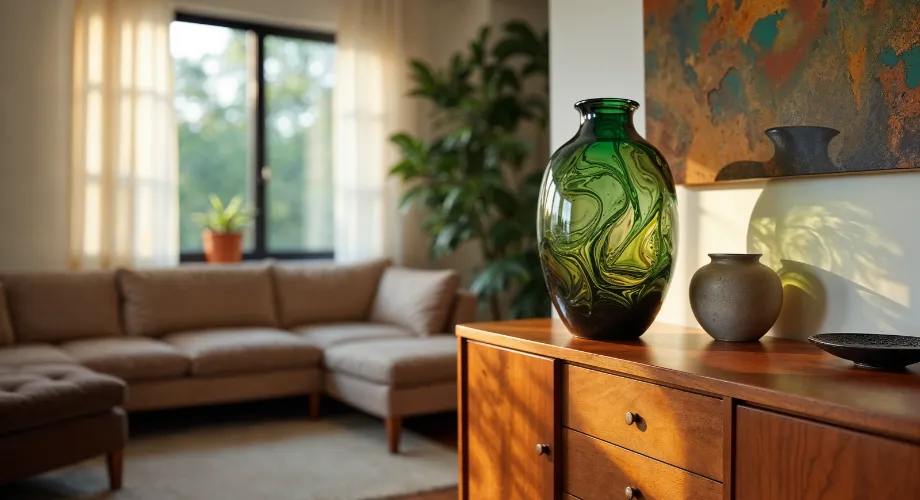
Many homes look beautiful but still feel uncomfortable and unorganized. Good interior design solves this problem through thoughtful planning first. It balances comfort, functionality, colours, lighting, furniture, and personal style. The right design makes every room feel spacious, practical, and welcoming.
Plan each room around how your family actually uses it. Measure available space before purchasing furniture, lighting, or storage units. Keep clear pathways so people can move around comfortably.
Choose furniture sizes that match your room’s available dimensions.
Colours strongly influence how large, bright, and comfortable rooms appear. Use neutral colours when you want calm, flexible interiors. Add stronger shades through cushions, artwork, rugs, and accessories. Layer lighting to create depth, comfort, and practical visibility.
Design Element | Practical Approach |
Main colour | Use neutral shades across larger surfaces |
Secondary colour | Add colour through furniture and fabrics |
Accent colour | Introduce stronger shades through décor |
Ambient lighting | Provides overall room illumination |
Task lighting | Supports reading, cooking, studying, and working |
Accent lighting | Highlights artwork, walls, and architectural features |
The 60-30-10 rule helps create balanced colour combinations. Use sixty percent dominant colours across walls and larger surfaces. Use thirty percent secondary colours across furniture and fabrics. Reserve ten percent for accents, artwork, accessories, and decorative pieces.
Mixing textures prevents rooms from appearing flat or visually boring. Combine wood, glass, metal, cotton, linen, and soft fabrics. Use rugs, curtains, cushions, and artwork for additional depth. Keep patterns balanced so your interiors never feel visually overwhelming.
Living rooms need comfortable seating, practical storage, and balanced lighting. Bedrooms should prioritise relaxation, privacy, storage, and comfortable movement. Kitchens require efficient layouts, durable surfaces, and organised storage. Bathrooms benefit from mirrors, ventilation, lighting, and moisture-resistant materials.
Small homes require smarter planning rather than expensive decoration. Choose multifunctional furniture to save valuable floor space. Use vertical storage wherever possible to reduce floor clutter. Mirrors can also create greater visual depth inside compact rooms.
Your home should reflect your lifestyle, memories, and personal preferences. Display family photographs, books, artwork, plants, and travel collections. Avoid copying showroom designs without considering your daily lifestyle. Personal details make interiors feel warmer, authentic, and genuinely yours.
Local homes need designs that balance lifestyle, climate, and maintenance. Choose materials that handle humidity and regular cleaning effectively. Natural ventilation can improve comfort while reducing indoor heat buildup. A practical design can also increase your home’s long-term value.
For professional home interior design Trivandrum homeowners can explore customised planning. Experienced designers can transform difficult layouts into functional living spaces.
Professional home designing Trivandrum services can simplify your entire process.
They can coordinate furniture, colours, lighting, materials, storage, and finishes.
A beautiful home should support everyday life without unnecessary complexity. Good planning creates comfort before decoration adds personality and character. Thoughtful colours, lighting, textures, and furniture complete that foundation beautifully. Start planning today and turn your ideas into purposeful spaces.
Looking for professional guidance? Contact our interior design team today.
Successful designs balance comfort, functionality, beauty, storage, lighting, and personality.
Every element should support how residents actually use spaces.
Start by measuring rooms and understanding each room’s purpose.
Then establish your preferred style, colours, furniture, and budget.
The rule divides colours into dominant, secondary, and accent proportions.
It creates visual balance without making rooms feel overly coordinated.
Use lighter colours, mirrors, multifunctional furniture, and vertical storage.
Keep pathways open and reduce unnecessary furniture throughout rooms.
Most rooms benefit from ambient, task, and accent lighting layers.
Combining these creates flexible lighting for different daily activities.
Choose quality finishes, coordinated colours, layered lighting, and refined accessories.
Keep designs simple because excessive decoration can reduce visual sophistication.
Choose durable materials that handle humidity, heat, cleaning, and usage.
Consider maintenance requirements before selecting finishes for busy spaces.
Add meaningful photographs, artwork, books, plants, and collected decorative objects.
These details create personality without requiring expensive design changes.
Professional designers can improve planning, budgeting, material selection, and execution.
They become particularly useful for complex layouts and complete renovations.
Begin with measurements, requirements, inspiration, budget, and preferred design style.
Then create a practical plan before purchasing furniture or materials.